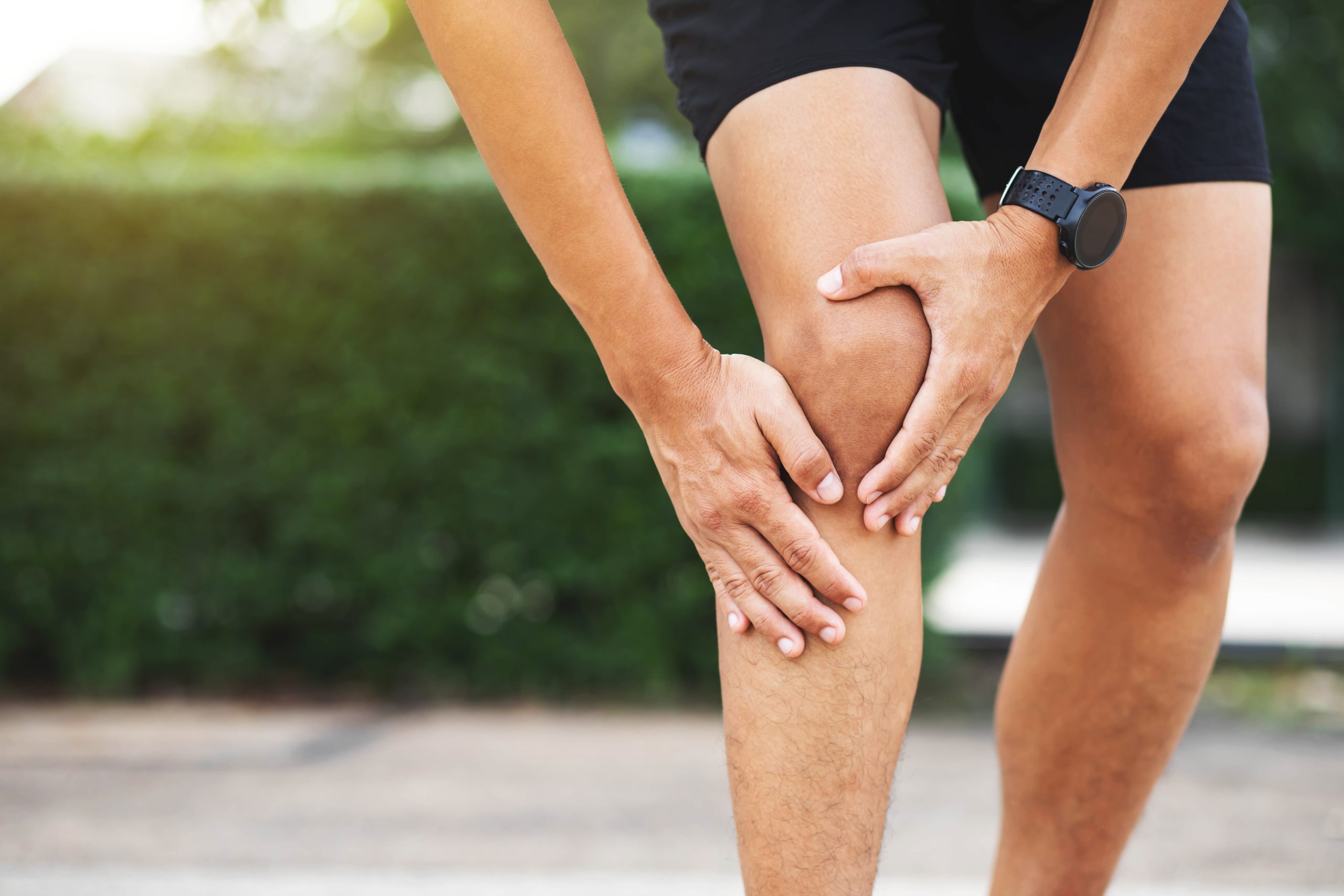
 Cartilage
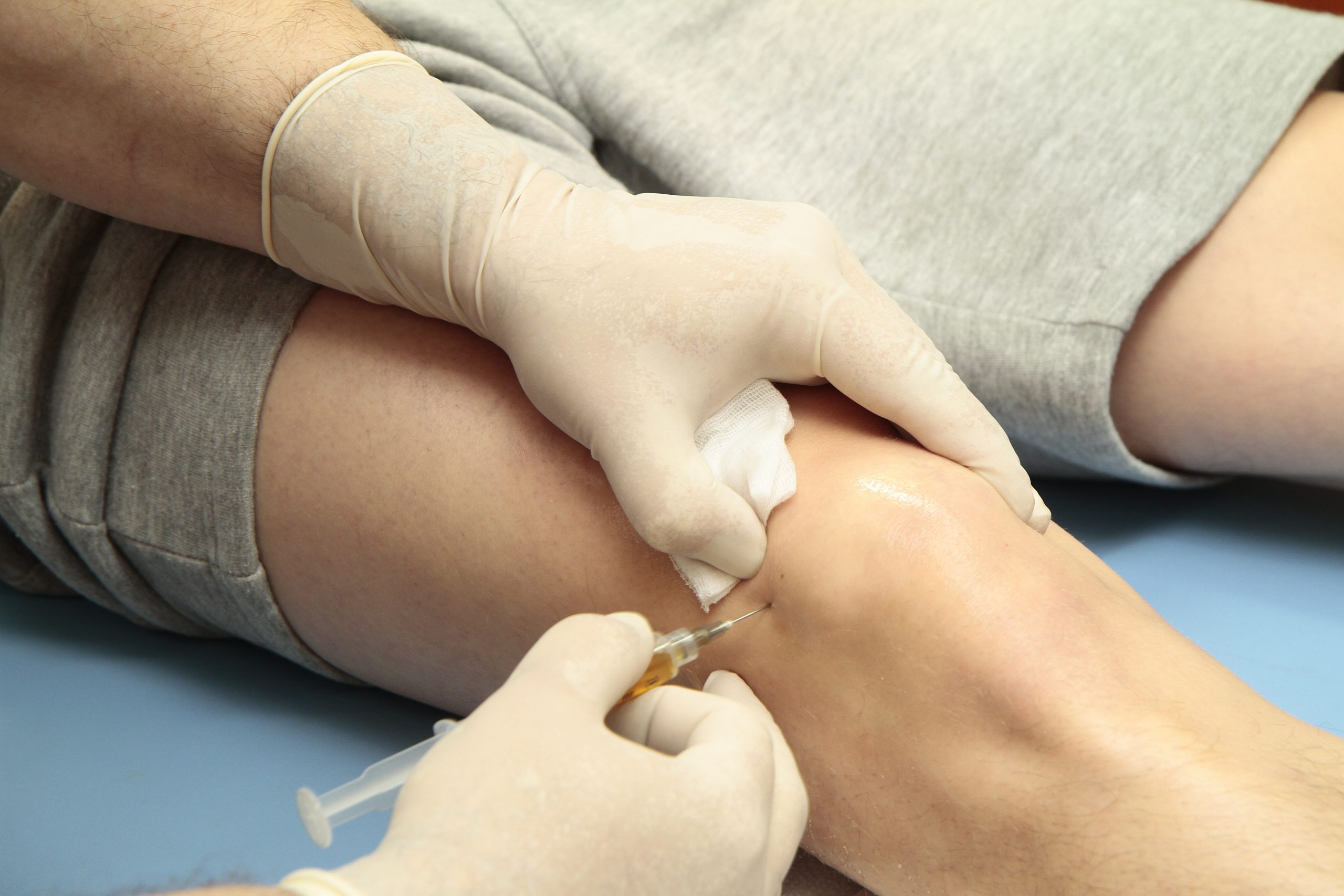 Knees
Knees Hip
Hip Shoulder
Ideal Candidates for ChondroFiller in Cartilage Repair
09/02/26
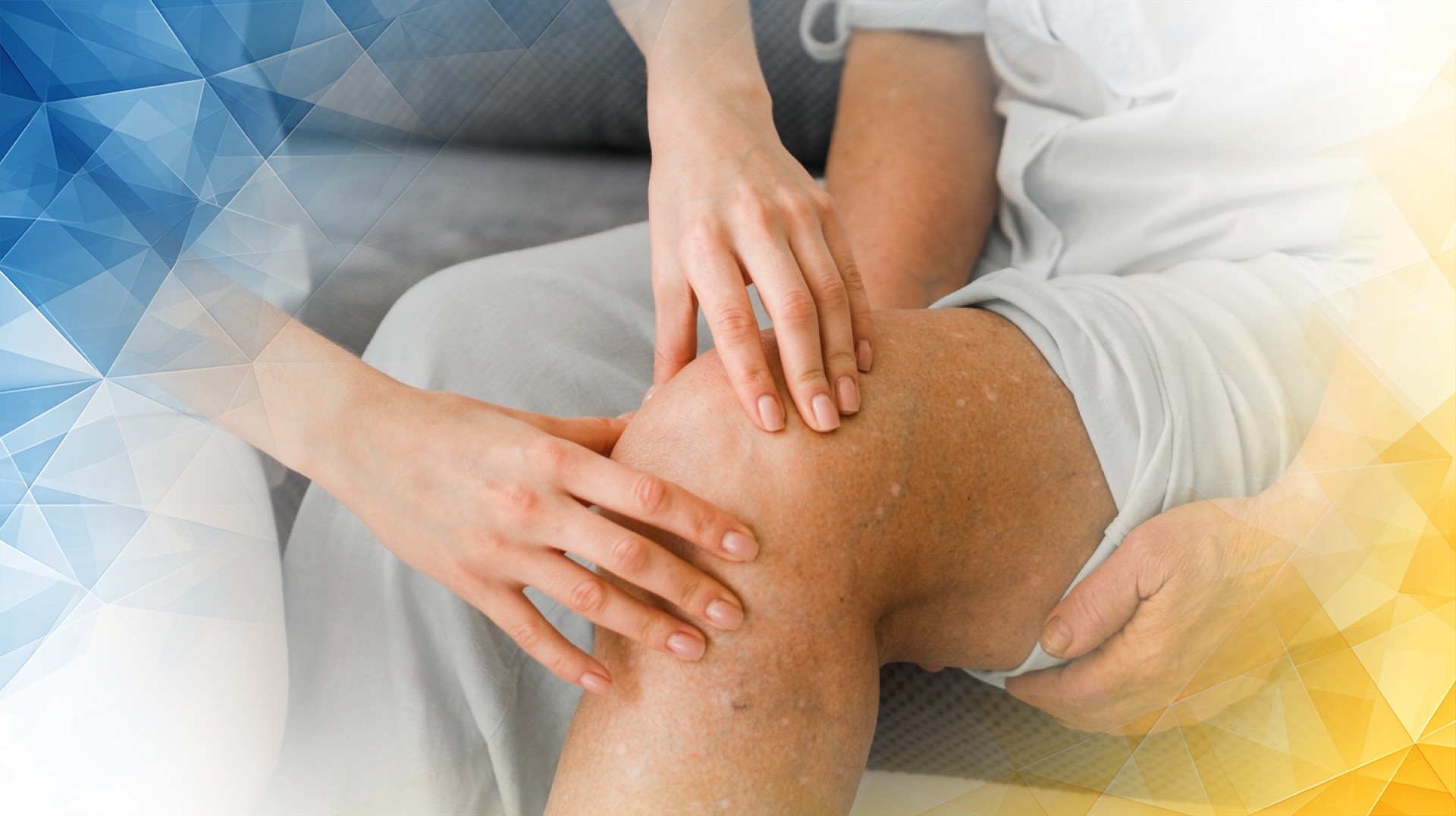

A meniscus sprain is a common knee injury that can disrupt daily life and sideline you from your favorite activities. Naturally, one of the first concerns after this injury is how long recovery will take. Recovery times depend on the severity of the injury and the treatment approach, but advances in rehabilitation are now making it possible to heal faster than ever before. In this article, we’ll spotlight the most effective, evidence-based techniques drawn from the latest research and expert practice—methods proven to help you get back on your feet, sooner and stronger.
The meniscus is a crescent-shaped cushion of cartilage between your thighbone and shinbone. It acts as a shock absorber, stabilizing the knee and protecting it from everyday wear and tear. A meniscus sprain occurs when this cartilage is overstretched or torn, typically from a sudden twist or impact.
Recovery can be slow for a few reasons. First, the meniscus has only a limited blood supply, reducing its natural capacity to heal. Second, knee injuries can range widely in severity, meaning treatments must be personalized to each individual. Although traditional methods like rest, ice, compression, and elevation (RICE), along with basic physiotherapy, are commonly prescribed, they don’t always deliver the quickest results. This challenge has led researchers and clinicians to seek more targeted and effective rehabilitation solutions. Factors such as injury severity , age, and rehabilitation approach play a big role in how quickly you can return to work, sports, or daily life.
Recent studies have reshaped the approach to meniscus sprain rehabilitation . One key takeaway is the benefit of starting gentle movement and controlled knee loading sooner rather than later. Early mobility, when properly managed, can actually promote tissue repair and avoid setbacks.
Strengthening your proprioception—the body’s sense of joint position—has also been shown to speed recovery. Proprioceptive exercises help restore coordination and control of the knee , key for a safe and confident return to activity.
Advancements in imaging, especially MRI, allow healthcare providers to pinpoint exactly how severe the injury is and to customize treatment plans accordingly. Innovative biological treatments, like platelet-rich plasma (PRP) injections, are gaining ground for their potential to boost healing using your body’s natural repair mechanisms.
Significantly, recent research highlights that recovery speed is closely linked to how you respond in the first few weeks—and that an individualized plan, rather than a one-size- fits -all approach, produces the best outcomes.
Physiotherapy for meniscus sprains has become increasingly tailored and sophisticated. Rehab programs now emphasize a gradual increase in strength , flexibility, and balance—avoiding the risk of pushing your knee too hard too soon. Neuromuscular training, which targets communication between your nerves and muscles, builds knee stability and confidence with movement.
Rehabilitation isn’t limited to exercises. New non-surgical options, like regenerative therapies and custom knee braces, help relieve pressure on the healing meniscus . Starting functional rehab—gentle movements and specific exercises—early in recovery is now thought to accelerate healing far more effectively than extended immobilization.
It’s also clear that factors such as your age, injury severity, and how much weight you can put on the knee initially all influence your recovery. This is why today’s best rehabilitation plans are flexible and responsive to your progress.
These evidence-backed methods are making their way into clinics worldwide. With personalized treatment plans that are regularly updated based on your progress, both athletes and everyday people are returning to activity more quickly, with less pain and greater knee strength .
The future is bright, too: cutting-edge therapies, advances in imaging, and new technologies like wearable devices and virtual reality are helping to keep patients engaged and motivated throughout the recovery journey.
Thanks to modern, evidence-based rehabilitation, quicker and more complete recovery from meniscus sprains is more achievable than ever. By combining science-driven therapies with personalized care, healthcare professionals are helping people heal safely and return to the activities they love, faster. As technology and research continue to evolve, so too will the tools, techniques, and hope for anyone facing a meniscus injury .
Lee, W.-Y. (2002). Audit on Treatment and Recovery of Ankle Sprain. Hong Kong Journal of Emergency Medicine, 9(2), 72-77.
Søndergaard, L., Konradsen, L., Hølmer, P., Jørgensen, L. N., & Nielsen, P. T. (1996). Acute midtarsal sprains: frequency and course of recovery. Foot & Ankle International, 17(4), 195-199.
O’Connor, S., Bleakley, C., Tully, M. A., & McDonough, S. (2013). Predicting Functional Recovery after Acute Ankle Sprain. PLoS ONE, 8(8), e72124. https://doi.org/10.1371/journal.pone.0072124
London Cartilage Clinic is renowned for its patient-centred approach and use of the latest evidence-based techniques. Under the expert care of Prof Lee, who offers decades of specialist experience, the clinic provides advanced diagnostics and tailored rehabilitation options to help each patient achieve the best possible functional recovery.
Prof Lee carefully assesses every aspect of your injury using advanced imaging and in-depth evaluation. Treatment plans are then customised according to the individual’s age, lifestyle, and specific injury severity, ensuring the rehabilitation process is both safe and highly effective, reflecting his extensive expertise in cartilage repair and orthopaedic innovation.
Early, controlled movement and rehabilitation can promote healing and help restore knee strength and function effectively. Under expert supervision, such as at London Cartilage Clinic, these approaches are adapted to each patient, which can lead to better long-term outcomes and reduced risk of further complications.
Yes, London Cartilage Clinic provides innovative options like regenerative therapies, including platelet-rich plasma (PRP) injections, and custom knee braces. These options, guided by Prof Lee’s experience, are designed to enhance the body’s natural healing processes and offer additional support during rehabilitation.
Treatment plans at London Cartilage Clinic are continuously reviewed and updated based on each patient’s progress. Prof Lee and his team use advanced physiotherapy techniques, including neuromuscular training and modern technology, to boost stability, confidence, and safe return to activity, supporting patients throughout their recovery journey.
All our treatments are selected to help patients achieve the best possible outcomes and return to the quality of life they deserve. Get in touch if you have any questions.
At London Cartilage Clinic, we are constantly staying up-to-date on the latest treatment options for knee injuries and ongoing knee health issues. As a result, our patients have access to the best equipment, techniques, and expertise in the field, whether it’s for cartilage repair, regeneration, or replacement.
For the best in patient care and cartilage knowledge, contact London Cartilage Clinic today.
At London Cartilage Clinic, our team has spent years gaining an in-depth understanding of human biology and the skills necessary to provide a wide range of cartilage treatments. It’s our mission to administer comprehensive care through innovative solutions targeted at key areas, including cartilage injuries. During an initial consultation, one of our medical professionals will establish which path forward is best for you.
Contact us if you have any questions about the various treatment methods on offer.
Legal & Medical Disclaimer
This article is written by an independent contributor and reflects their own views and experience, not necessarily those of londoncartilage.com. It is provided for general information and education only and does not constitute medical advice, diagnosis, or treatment.
Always seek personalised advice from a qualified healthcare professional before making decisions about your health. londoncartilage.com accepts no responsibility for errors, omissions, third-party content, or any loss, damage, or injury arising from reliance on this material. If you believe this article contains inaccurate or infringing content, please contact us at [email protected].